01 / The craft
“It’s a number of different sized holes tied together.”— Ian Pollock’s description of lace
A 150-year industrial heritage
From cottage handlooms to the largest textile machines in Britain, Darvel wove its name into homes across the world.
Follow the thread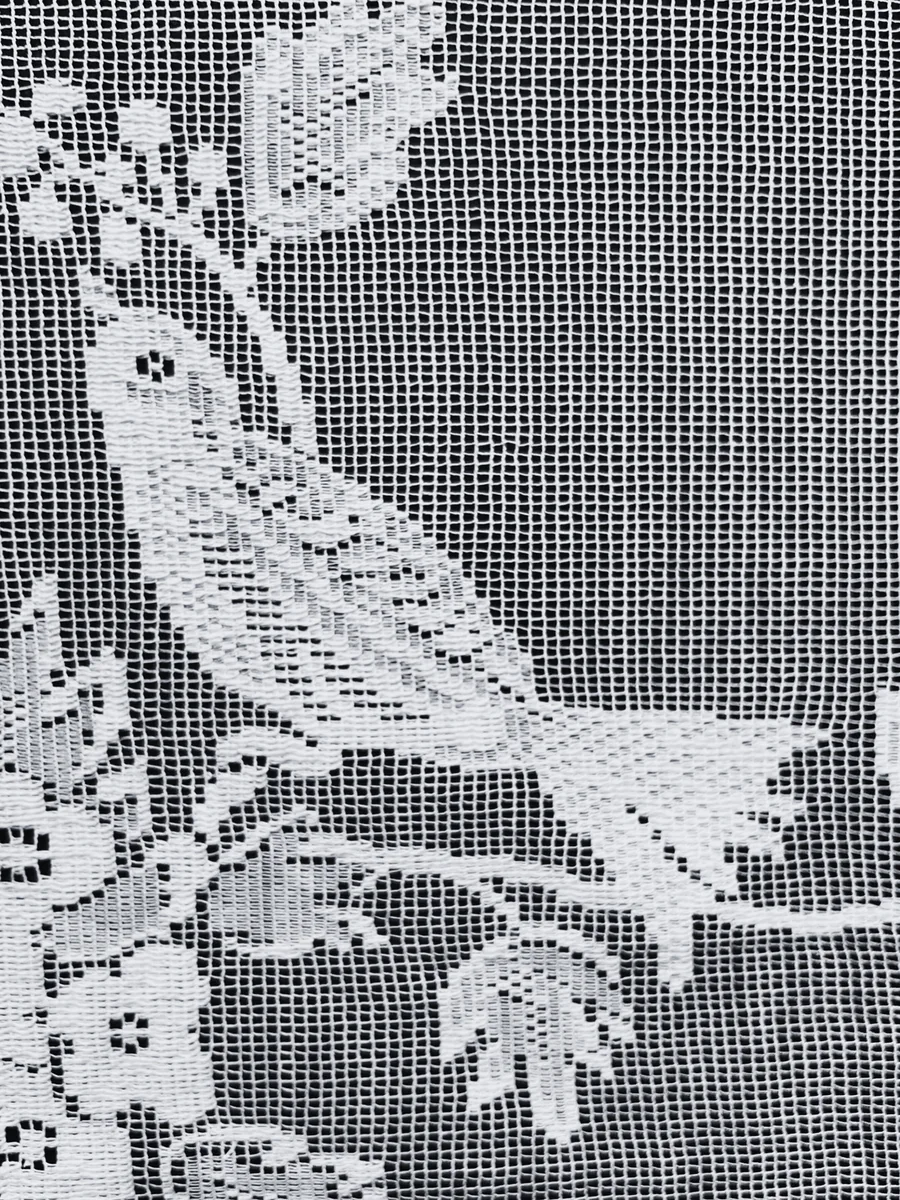
01 / The craft
“It’s a number of different sized holes tied together.”— Ian Pollock’s description of lace
Before the factory
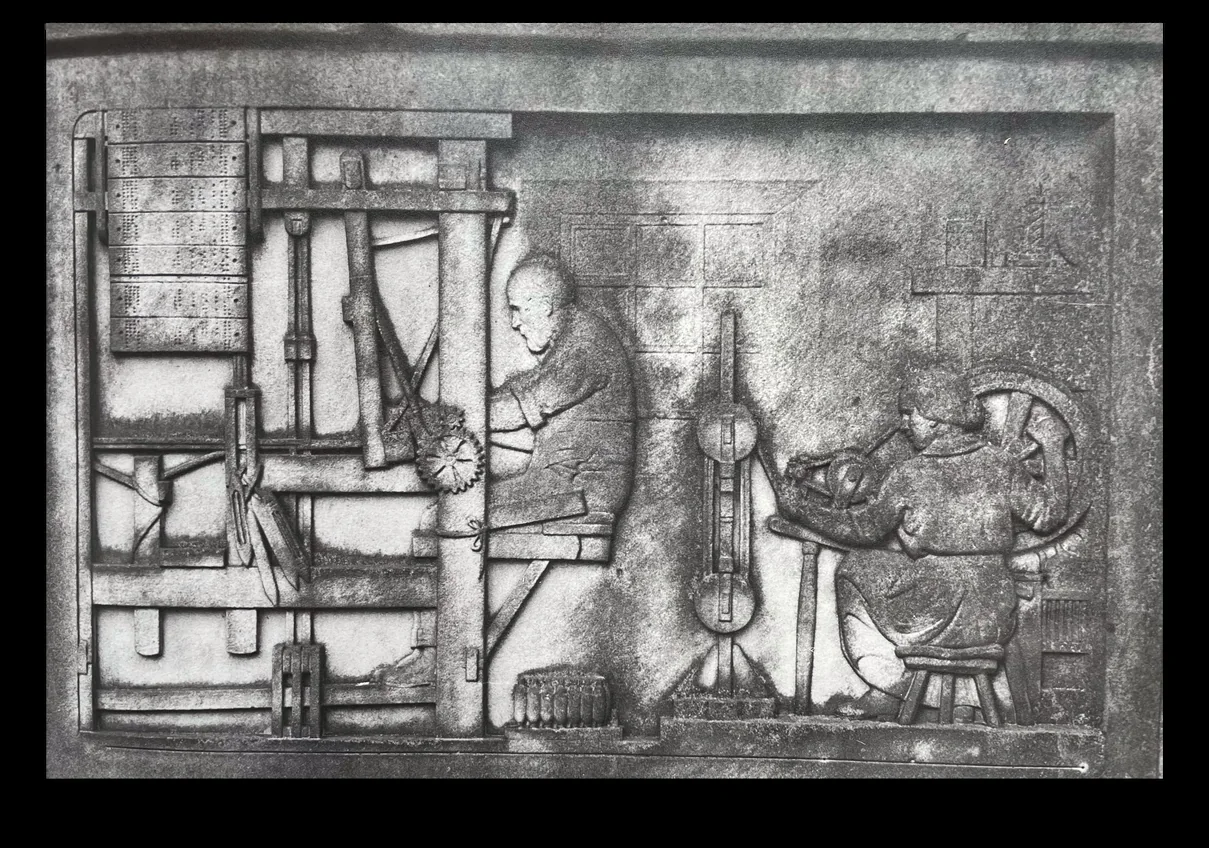
Darvel’s textile story began in small “shops” built into weavers’ cottages. Generations made fine cotton leno and muslin fabrics — later known as madras — on wooden handlooms.
The arrival of the Jacquard attachment in 1838 allowed intricate patterns and floral designs to be woven with new precision. By 1872, more than 600 handlooms worked across the town.
02 / The machine age
Industry, enlarged
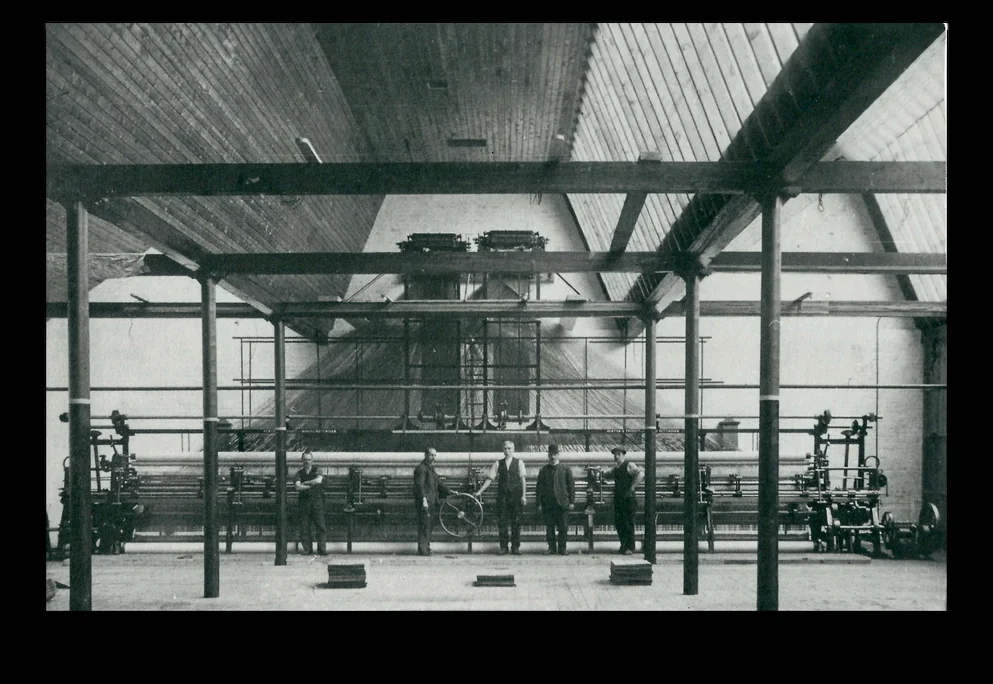
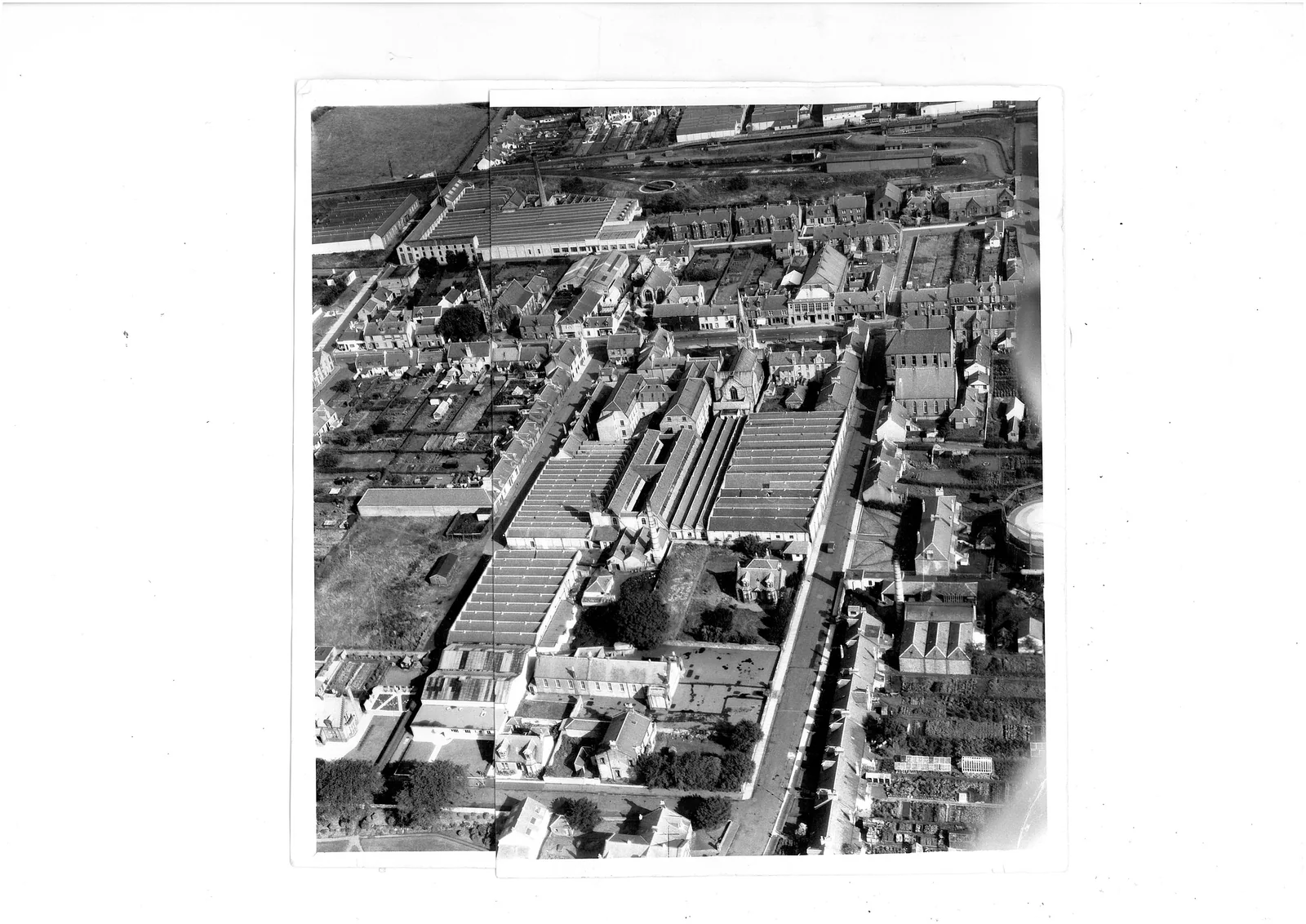
By the early twentieth century, Darvel’s lace machines measured up to 15.5 metres wide, 6.4 metres high and weighed 30 tons — the largest textile machines in Great Britain.
03 / A woven timeline
Innovation, transport, talent and sheer scale carried Darvel from household looms to a global market.
Protestant refugees from France and Holland bring pattern-weaving skills to Ayrshire and the Irvine Valley.
Joseph Hood introduces the Jacquard attachment, transforming the patterns local handloom weavers can produce.
Darvel’s first Nottingham lace machine arrives for Alexander Morton — 216 inches wide and costing £1,050.
Machine-made lace production begins. Within four years, 30 machines are working across eight Valley factories.
Alexander Morton & Co employs more than 700 people and produces over 100,000 pairs of lace curtains each year.
The railway reaches Darvel, accelerating the movement of workers, raw materials and finished textiles.
More than 2,000 lace and madras workers are employed in Darvel. Only two handloom weavers remain.
Twenty factories in the town now produce lace and madras goods.
The Irvine Valley produces more than half of Britain’s lace furnishings for a worldwide market.
Darvel’s last great lace machine is dismantled and removed from Smith & Archibald.
Original looms and patterns remain in use at two neighbouring Newmilns firms, serving a bespoke international market.
04 / People & pattern
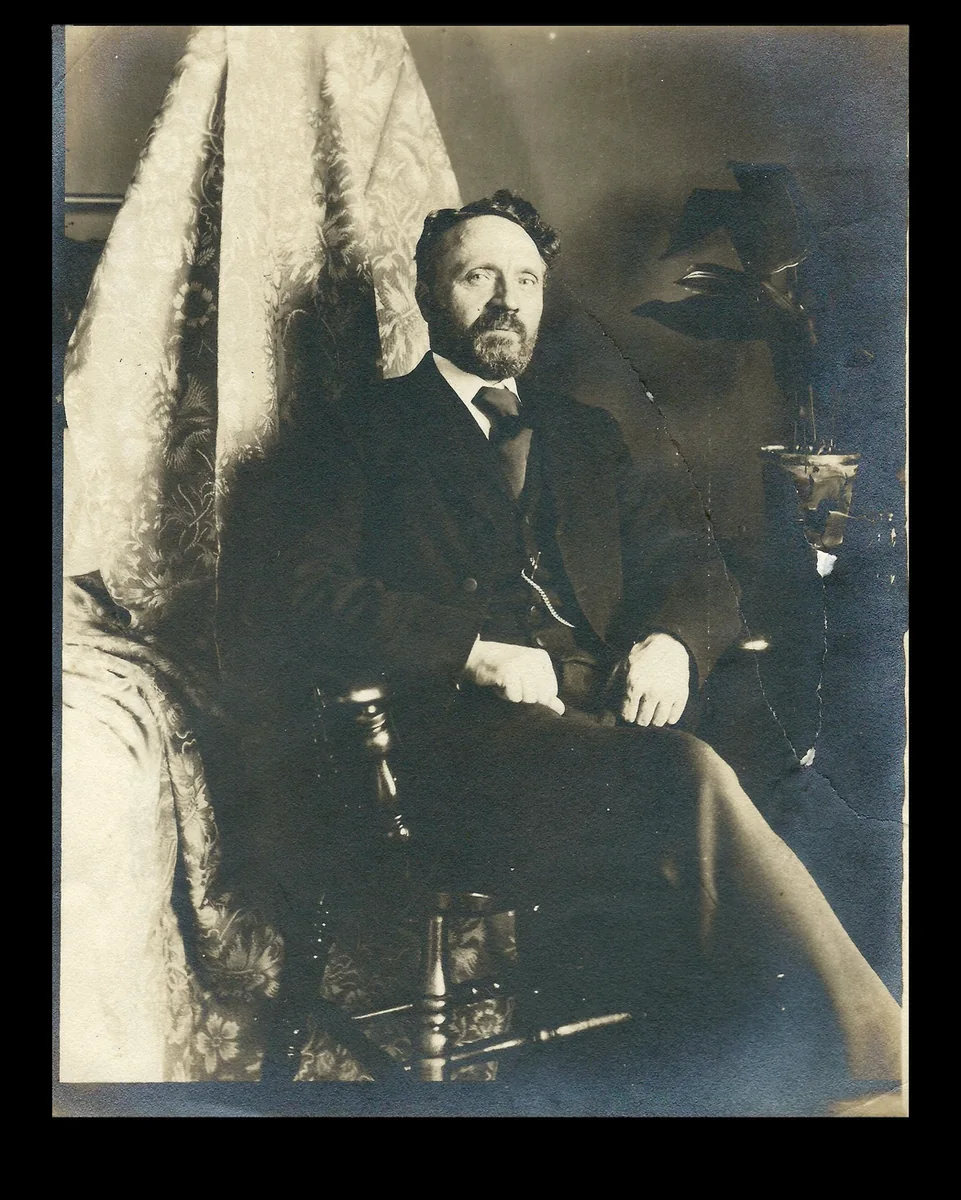
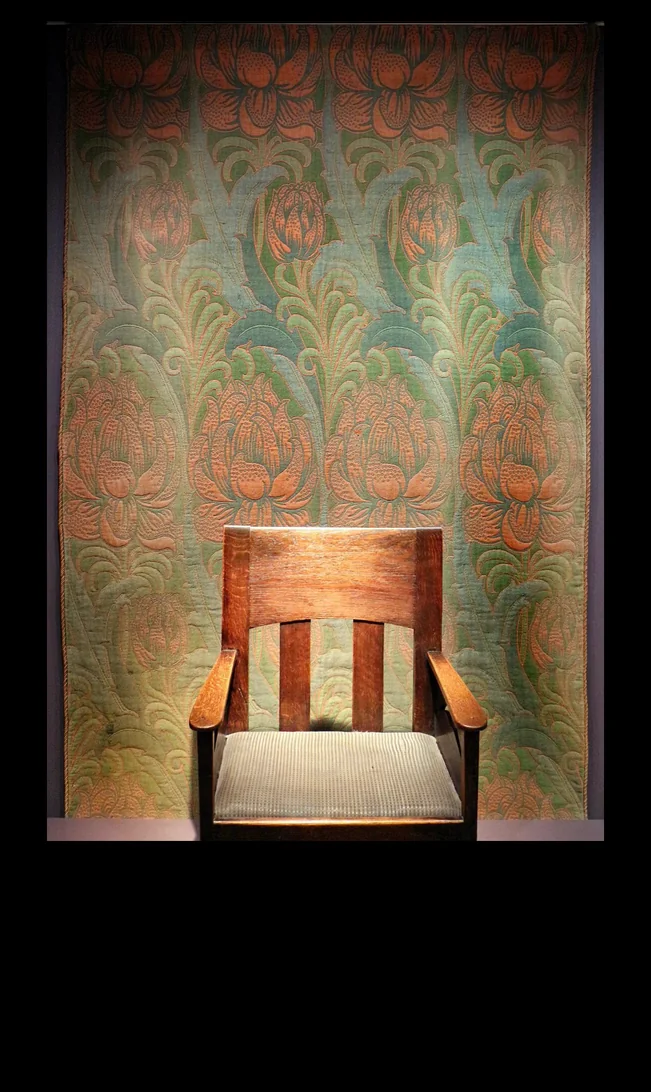
Demand called for gifted designers. Hugh McLaughlan kept his studio on West Main Street, while commissions also went to leading figures including C. F. A. Voysey, Baillie Scott, Harrison Townsend and Jessie M. King.
The quality endured: examples of Darvel-made textiles are now held by museums including the Victoria and Albert Museum in London.
Beyond the factory gates
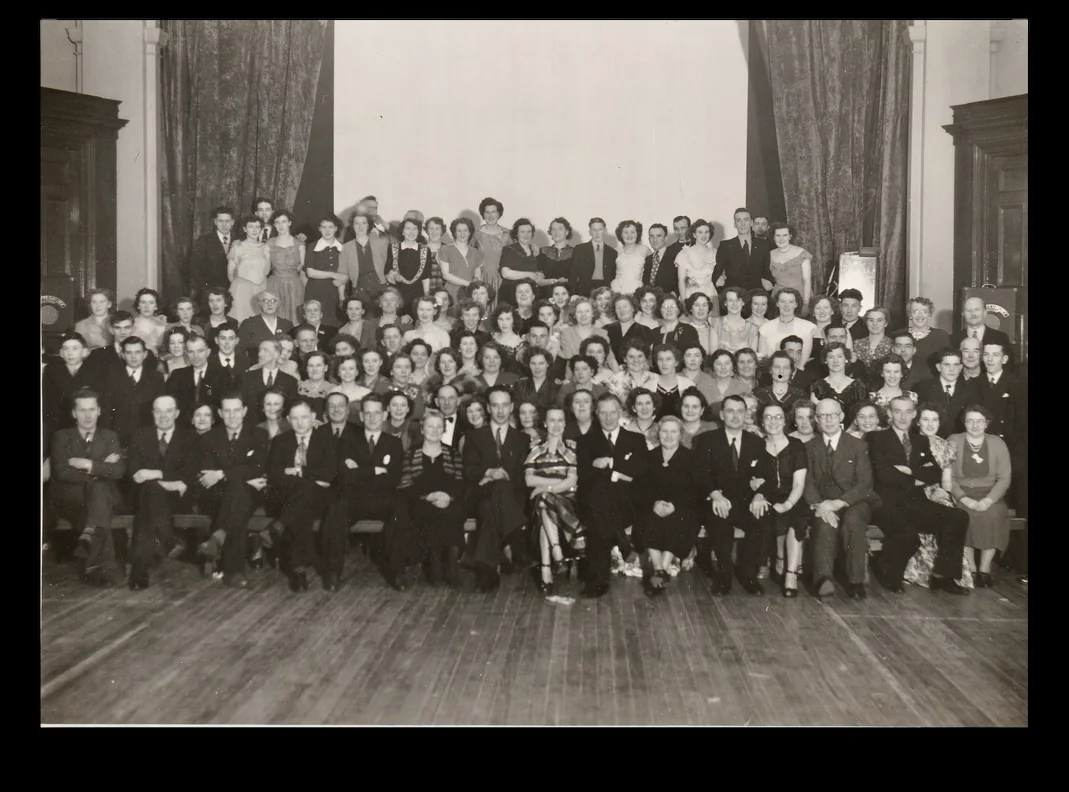
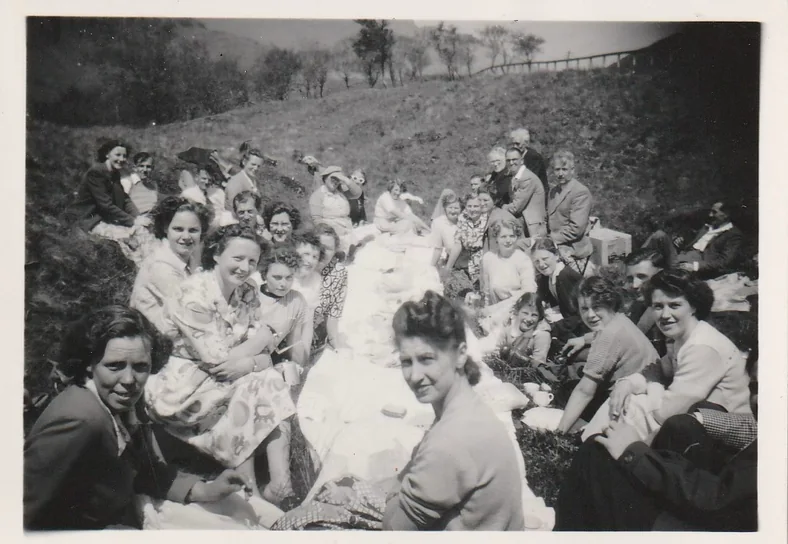
Factory hours were long, and free time was prized. Workers walked country lanes, played football and bowls, fished and swam in the burns, joined choirs and the brass band.
Picnics up the Changue, train rides to the coast, trips “doon the watter” and dances in Darvel Town Hall brought the community together.
05 / The legacy
Cheaper imports and changing fashions brought a long decline after 1970. The last mighty machine left Darvel in 2007. Yet original looms and patterns still work nearby in Newmilns — keeping this singular Valley craft alive.
Discover Darvel